
In a recent webinar hosted by the University of Nairobi’s Institute of Development Studies in collaboration with ULI Africa, Dr Fred Amonya presented a powerful critique of Africa’s “infrastructure gap” narrative. His argument was simple but profound: when we reduce infrastructure to deficits — roads missing, power shortfalls, financing gaps — we risk overlooking the deeper institutional and human dynamics that infrastructure shapes.
Download paper here. Complexity and Infrastructure in Africa Beyond the ‘Gap’ Narrative
That insight applies directly to African football.
African football is increasingly framed in the language of deficits. We speak of a “talent gap” with Europe, a “facilities gap” in infrastructure, a “commercial gap” in broadcasting revenue, and a “governance gap” in institutional capacity. These framings are not wrong, but they are incomplete. When football is reduced to what it lacks, policy responses become narrow: build more stadiums, export more players, attract more sponsors. What gets overlooked is how football already functions as a deeply embedded social system, shaping trust, identity, economic activity, and institutional culture across communities.
Further, football reorganises communities. It influences governance norms. It mobilises capital. In functional terms, football behaves like infrastructure. And this is where the shift becomes necessary. If infrastructure can be understood as an operator within complex systems that influence states, markets, and society, then football must be examined in the same way.
Beyond the Gap: Infrastructure as Operator
Amonya challenges the linear logic of deficit closure. He reminds us that infrastructure does not simply fill a void. It excites the state, market, and society. A new road reshapes settlement patterns. Electricity alters trust in government. Digital connectivity reorders institutions. Infrastructure is an operator acting on a social field. It generates emergence.
Football operates in the same way.
A grassroots tournament does more than entertain. It reorganises youth networks, creates informal labour markets, shifts local authority structures, and builds identity. A professional league influences governance norms, media ecosystems, and financial flows. A mega-event triggers urban redevelopment, tourism patterns, and diplomatic signalling.
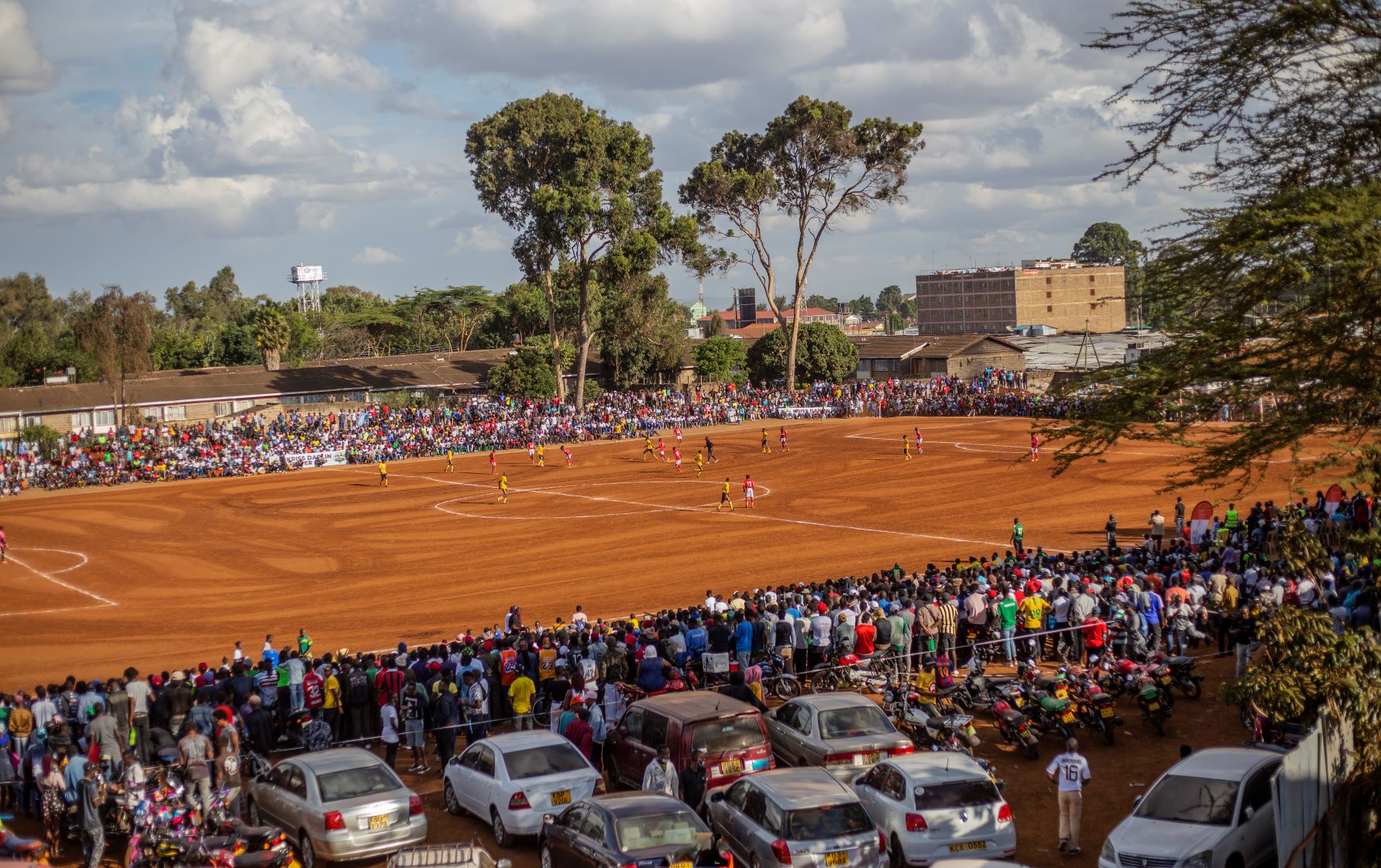
Football is already infrastructure — not metaphorically, but functionally.
Yet policy and investment discourse still treat it as peripheral: sport as entertainment, CSR, or soft power. At best, football in Africa is seen as a pipeline for talent export. At worst, it is dismissed as leisure detached from the fundamentals of development. This is conceptually flawed.
Football is a distributed, low-cost, deeply embedded infrastructure platform that reaches millions of people weekly across African communities. The question is not whether it is infrastructure, but whether we are designing it as such.
A Complexity-Aware Lens for African Football
To reposition football strategically, we must adopt a complexity-aware framework. Drawing on layered systems thinking, and as referenced by Amonya in his discussion of infrastructure beyond the “gap” narrative, the Four Worlds framework offers a useful lens for understanding how complex systems operate across multiple dimensions. It distinguishes between the Core of human being (agency, dignity, trust), the shocks that unsettle systems (such as migration flows, betting expansion, or debt cycles), the narrative regimes that simplify reality (“talent export,” “sports for good,” “commercial growth”), and the tools of knowing through which we measure and interpret performance (rankings, transfer values, attendance data, dashboards). Applied to African football, this layered perspective reveals a system increasingly dominated by narratives and metrics, while the Core — the lived experience and capability of communities — receives insufficient attention.
A complexity-aware Football as Infrastructure (FaI) model restores the Core.
It asks: Does football enhance human capability? Does it strengthen trust between citizens and institutions? Does it build domestic economic ecosystems rather than extract value outward? Does it enable adaptability under stress?
If the answer is no, then growth in transfer fees or broadcasting deals is superficial.
While the Four Worlds framework provides one way of layering shocks, narrative, measurement systems, and the Core of human being, the broader lesson from Amonya’s work is clear: when we reduce complex systems to deficits, we distort both policy and purpose.
From Talent Pipeline to Public Infrastructure
The prevailing model of African football is extractive. Grassroots environments bear the high-risk, high-cost phase of early development. Elite European clubs capture the bulk of lifetime commercial value. Domestic leagues remain undercapitalised. The system mirrors commodity export structures.
Football as Infrastructure proposes a structural shift.
Instead of viewing football primarily as a talent pipeline, FaI positions it as:
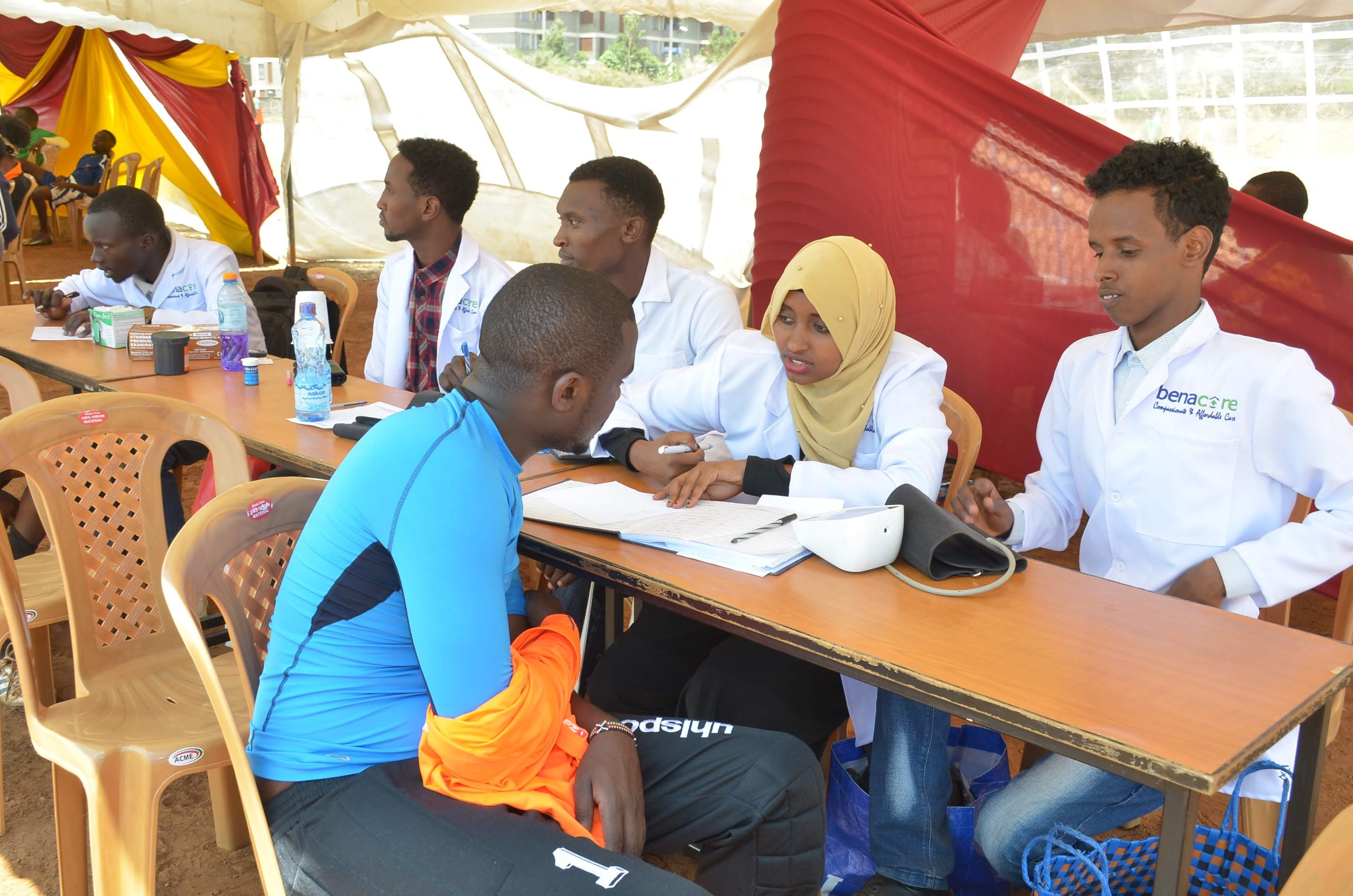
- A health delivery platform (community screening, safeguarding, mental health engagement)
- A governance laboratory (solidarity mechanisms, transparent financial flows)
- A workforce accelerator (coaching, sports management, media, data analytics)
- A community trust architecture (regular convening, civic participation)
- A domestic capital mobiliser (local sponsorship ecosystems, pension-backed facilities)
In this framing, the value of football is not confined to elite contracts. It lies in its systemic capacity to coordinate state, market, and society.
This does not reject player mobility or global integration. Globalisation is irreversible. But the terms of trade can change. A vibrant domestic football economy becomes a destination, not merely a departure lounge.
Surgical Infrastructure in Sport
One of the most powerful ideas in complexity thinking is “surgical infrastructure” — timely, precise interventions rather than binge expansion. Digital tools now allow adaptive responses: targeted repairs, dynamic allocation, and context-sensitive design.
Football can follow this path.
Rather than building grand stadiums that burden public debt, countries can:
- Upgrade grassroots hubs incrementally.
- Deploy digital platforms to track participation and health indicators.
- Channel solidarity-style financing into youth development.
- Embed project management and other power skills within local football leaders.
- Use data to adapt programming in real time.
Africa Football Development Network (AFDN) exemplifies this approach. It is not a tournament series. It is a systems platform designed to integrate grassroots football with health actors, education providers, policymakers, investors, and researchers. It recognises that football’s reach can strengthen access to primary health care, improve governance capacity, and support workforce readiness.
This is surgical infrastructure in sport.
Financing Beyond Deficits
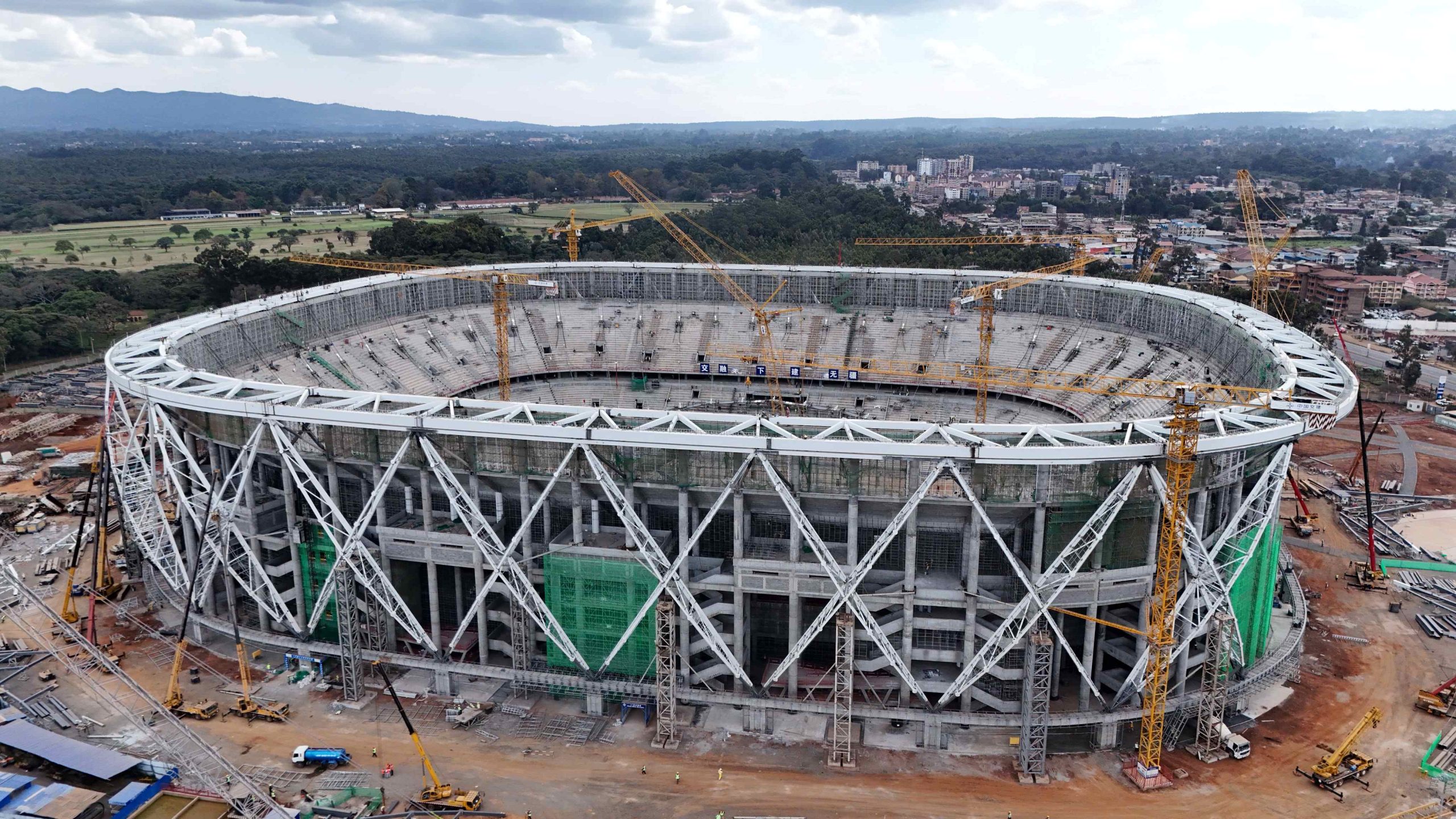
The infrastructure gap narrative justified heavy borrowing. African football risks repeating the same mistake if it chases visibility through debt-funded mega-projects.
A complexity-aware model instead emphasises:
- Frugality of governance
- Domestic capital mobilisation
- Transparent revenue-sharing
- Public-private partnerships rooted in local ecosystems
Africa holds significant domestic savings pools. Pension funds, insurance schemes, and diaspora capital can support a well-structured, transparent football infrastructure that delivers measurable social return.
FaI is therefore not merely a philosophical shift; it is a financing shift.
Measuring What Matters
If football is infrastructure, its performance must be evaluated differently.
Beyond goals scored and tickets sold, key indicators might include:
- Youth employability outcomes
- Health screening uptake rates
- Institutional governance scores
- Community trust metrics
- Domestic value retention percentages
- Gender participation parity
- Safeguarding compliance levels
Such metrics reposition football within national development planning frameworks rather than isolating it as entertainment expenditure.
A Continental Strategy
This shift requires coordination.
Cross-ministerial alignment — sport, health, education, urban development, and finance — is essential. Platforms such as the Africa Football Business Summit and the Africa Football Industry Networked Innovation Community (AFINIC) can serve as convening mechanisms to integrate research, policy dialogue, and investment readiness.
Football as Infrastructure does not compete with traditional infrastructure planning. It complements it. It recognises that Africa’s complexity demands distributed, adaptive systems that strengthen human capability at scale.
Remembering the Core
Amonya argues that the infrastructure gap narrative forgot “being.” Lagos spoke of needs; NEPAD reframed them as gaps; quantification displaced meaning. Ultimately, the lesson from the infrastructure gap debate is not that numbers are useless. They are indispensable. But they must not replace meaning.
The Core — human being — must discipline our strategy.
If football builds facilities but erodes trust, it has failed.
If it exports stars but leaves communities impoverished, it has failed.
If it generates sponsorship but neglects safeguarding, it has failed.
But if it strengthens agency, connects youth to opportunity, enhances access to health, and mobilises domestic capital, then it becomes true infrastructure.
Africa’s football future is not about closing a gap.
It is about navigating emergence.
Football as Infrastructure offers a complexity-aware model for doing so, transforming sport from hopeful extractive industry into a resilient, value-creating pillar of a modern African economy.
The talent has always been there. Now the systems must follow.
About the Author
Brian Wesaala is the Founder and President of The Football Foundation for Africa (FFA), a Pan-African initiative committed to driving socioeconomic transformation through sport. With over a decade of experience at the intersection of football, development, and diplomacy, Brian is a recognised thought leader on the role of sport in advancing youth potential and social innovation across the continent. He has been recognised nationally and internationally with awards for his efforts in educating the football ecosystem. A former UN staffer based in Geneva for nearly ten years, Brian combines global exposure with deep grassroots insight. He has convened the Africa Football Business Summit, the continent’s premier sports business platform. He currently serves on the Steering Group of SPORTS20, a global initiative for sport and sustainable development.
 Back to Blog