
What a decade of thinking about local development taught us about building Africa’s football future.
“I come from Buem, a constituency in the Oti Region of the Republic of Ghana, where we dreamt on clay pitches, played barefoot, and watched the future chase a ball stitched with hope.”
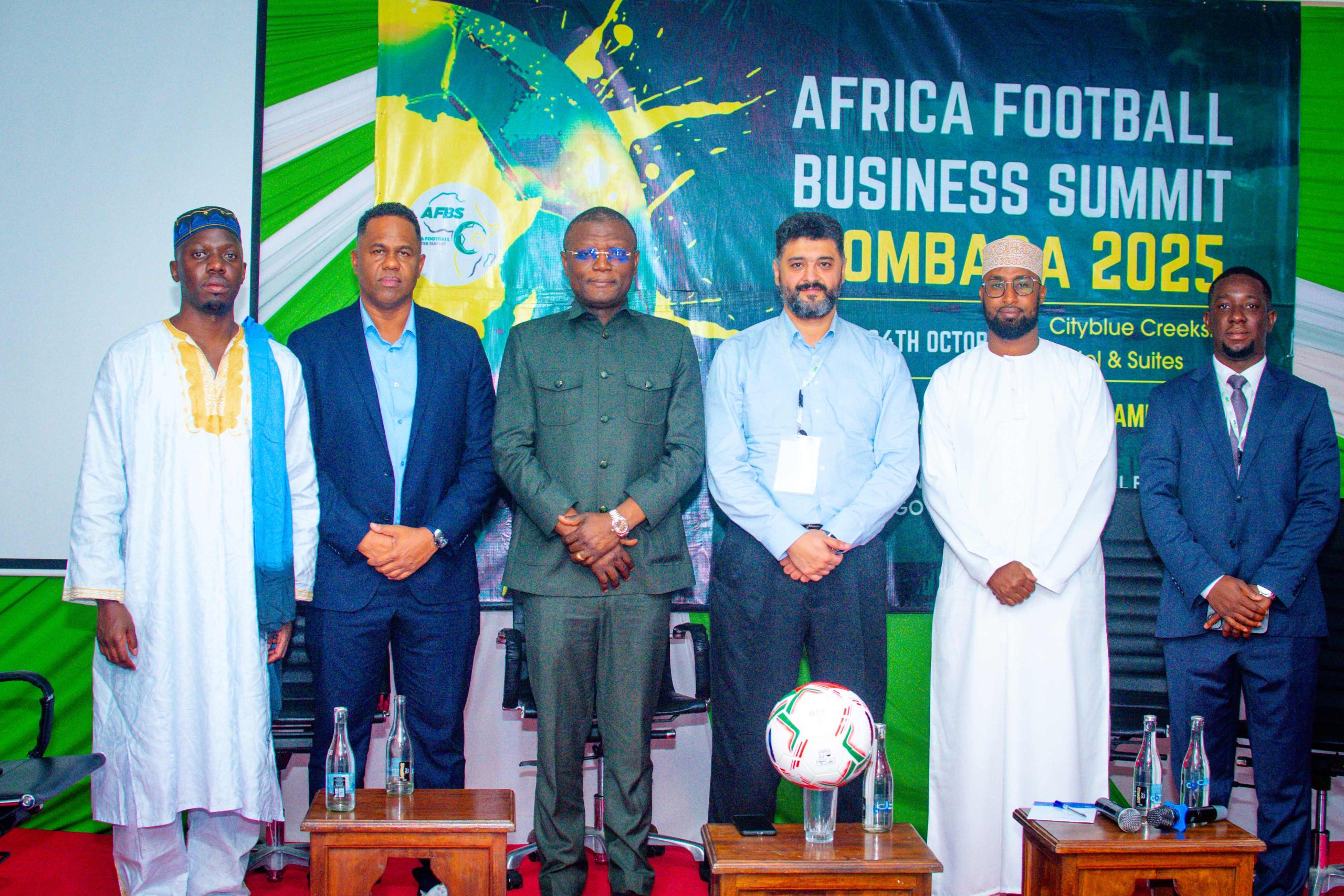
When Ghana’s Minister for Sports and Recreation, Hon. Kofi Iddie Adams, opened the Africa Football Business Summit with these words, something clicked. Here was a government minister—someone with budget authority and policy power—articulating what grassroots football advocates have been struggling to express for years: that those clay pitches aren’t just where children play. They’re where futures are shaped.
Ten years ago, I wrote an article that still feels uncomfortably fresh. In “Developing Talent for the Local Market,” I documented a painful pattern: talented Kenyan footballers like Paul Were, Kevin Omondi, and Allan Wanga cycling through failed international transfers, returning home as “rejects” after barely surviving a season abroad.
The problem wasn’t the players. It was the system: a poorly managed business whose success is almost entirely based on chance rather than strategy, where handlers immediately tagged players “for export” without building the local capacity to actually sustain careers.
I borrowed an insight from Kenya’s emerging tech ecosystem at the time: the most successful professionals working internationally weren’t developed for export. They built expertise competing locally, then got headhunted. The same could be said about the start-up landscape. Why couldn’t football work the same way?
That was 2015. The question was correct. But I didn’t yet have the framework to answer it at scale.
The Numbers Tell an Uncomfortable Story
Minister Adams delivered the framework at the Summit, and the numbers were stark:
“For a continent of over 1.4 billion people, with more than 60% under the age of 25, Africa contributes less than 2% to a global football economy valued at over 200 billion dollars annually.”
Read that again. 1.4 billion people. 60% youth. 2% of the global football economy.
“This is not a talent deficit,” he continued. “It is a systems failure.”
The English Premier League generated over $6.5 billion in 2022. Real Madrid surpassed €1 billion in annual revenue. Major League Soccer secured a $2.5 billion streaming deal with Apple. The Saudi Pro League spent over $800 million on transfers in 2023 alone—not just to buy players, but to build a football product.
Meanwhile, fewer than 5% of African national leagues generate sustainable income from broadcasting.
This is the export-mindset problem at the continental scale. We develop world-class talent on clay pitches and barefoot dreams, then ship that talent abroad while re-importing it “through expensive television rights and inflated transfer fees,” as Minister Adams put it. We’re exporting raw materials and importing finished products in our own sport.
The pattern I documented in 2015 with individual players—premature export, inadequate local development, unsustainable outcomes—turns out to be Africa’s entire football economy model.
Why Now? The Convergence Moment
Three forces are converging that make this moment unique for reimagining African football:
1. Youth Demographic Pressure
Africa’s youth bulge isn’t just a statistic; it’s an urgent development challenge. With over 60% of the population under 25, governments are desperately seeking platforms for youth engagement, skills development, and employment creation. Traditional approaches aren’t scaling fast enough.
Football touches more young Africans than any other single platform. The question isn’t whether football matters to youth development; it’s whether we’ll treat it as the infrastructure asset it already functions as.
2. Economic Reality Check
As Minister Adams noted, “Sport must be treated as a formal economic sector, not just a charitable cause. When sport becomes investable, capital follows.”
African governments are under fiscal pressure. They can’t afford to fund things from charity or sentiment. They need infrastructure investments with measurable multiplier effects across multiple sectors. This creates an opening for football if we position it correctly.
3. Global Football Economy Transformation
The football business model is shifting globally. Direct-to-consumer streaming, AI-powered fan analytics, data monetisation, digital engagement—these aren’t futuristic concepts. They’re current revenue streams that African football is largely missing.
“The global sports media market is projected to exceed $93 billion by 2030,” Minister Adams shared. “The question before us is this: will Africa remain a consumer of content, or become a creator and owner?”
This isn’t about catching up to European football. It’s about leapfrogging to ownership models designed for digital-first economies, something African nations are uniquely positioned to do, given our high mobile penetration rates and young, digitally native populations.
From Talent Export to Football As Infrastructure
The shift from my 2015 article’s “develop for local markets” insight to today’s Football as Infrastructure framework isn’t just semantic. It’s strategic.
When I wrote about developing talent locally, I was thinking primarily about player development pathways. Build better local leagues, improve coaching, create competitive environments, and players would naturally develop to international standards while contributing to local football ecosystems.
That was true, but incomplete.
The Football as Infrastructure model recognises that football’s value extends far beyond the quality of players it produces. Like roads that facilitate commerce or energy grids that enable industrial development, football infrastructure enables progress across multiple sectors simultaneously.
Minister Adams demonstrated this understanding when describing Ghana’s recent reforms:
“Each weekend, six live matches air across two of Ghana’s most-watched TV stations. Every Premier League club has received a 1-million-cedi capital boost. For the first time in Ghana’s history, every club is guaranteed prize money at season’s end. The 2025/26 winner will earn 2 million cedis, up from 500,000 cedis last season.”
These aren’t charity handouts. They’re infrastructure investments generating measurable returns:
- Broadcasting creates media jobs, production capacity, and digital content
- Guaranteed prize money enables clubs to plan multi-year strategies instead of surviving week-to-week
- Capital boosts allow infrastructure upgrades that serve communities beyond match days
- Predictable revenue attracts private sector partnerships seeking strategic platforms, not CSR opportunities
The Minister shared a powerful example of how infrastructure thinking transforms outcomes: “For World Cup qualifiers, we adjusted ticket prices, introduced matchday souvenirs, and tiered pricing for accessibility. Results showed packed stadiums and revived energy. These were not coincidences; they were policy outcomes rooted in respect and fan insight.”
Policy outcomes. Not luck. Not charity. Strategic infrastructure deployment.
The Clay Pitch Continuum
Here’s what ten years of thinking about this has taught me: those clay pitches Minister Adams mentioned aren’t the problem. They’re the foundation.
The mistake isn’t that African children play on clay instead of pristine grass. The mistake is treating clay pitches as a “lack” rather than recognising them as entry points to a development ecosystem that should progress systematically:
Clay pitches → Community facilities → Quality training grounds → multi-purpose stadiums → Digital platforms → Continental connectivity
Each level should be designed not just for football, but as infrastructure enabling education delivery, health promotion, youth employment, social cohesion, and economic activity.
This is what “developing for the local market” actually means at scale. It’s not about keeping talent local; it’s about building the infrastructure that develops talent while simultaneously delivering value across multiple sectors, creating the conditions for local leagues to become commercially viable and for international opportunities to emerge naturally from robust systems rather than premature extraction.
The Africa Football Business Summit Revealed the Appetite
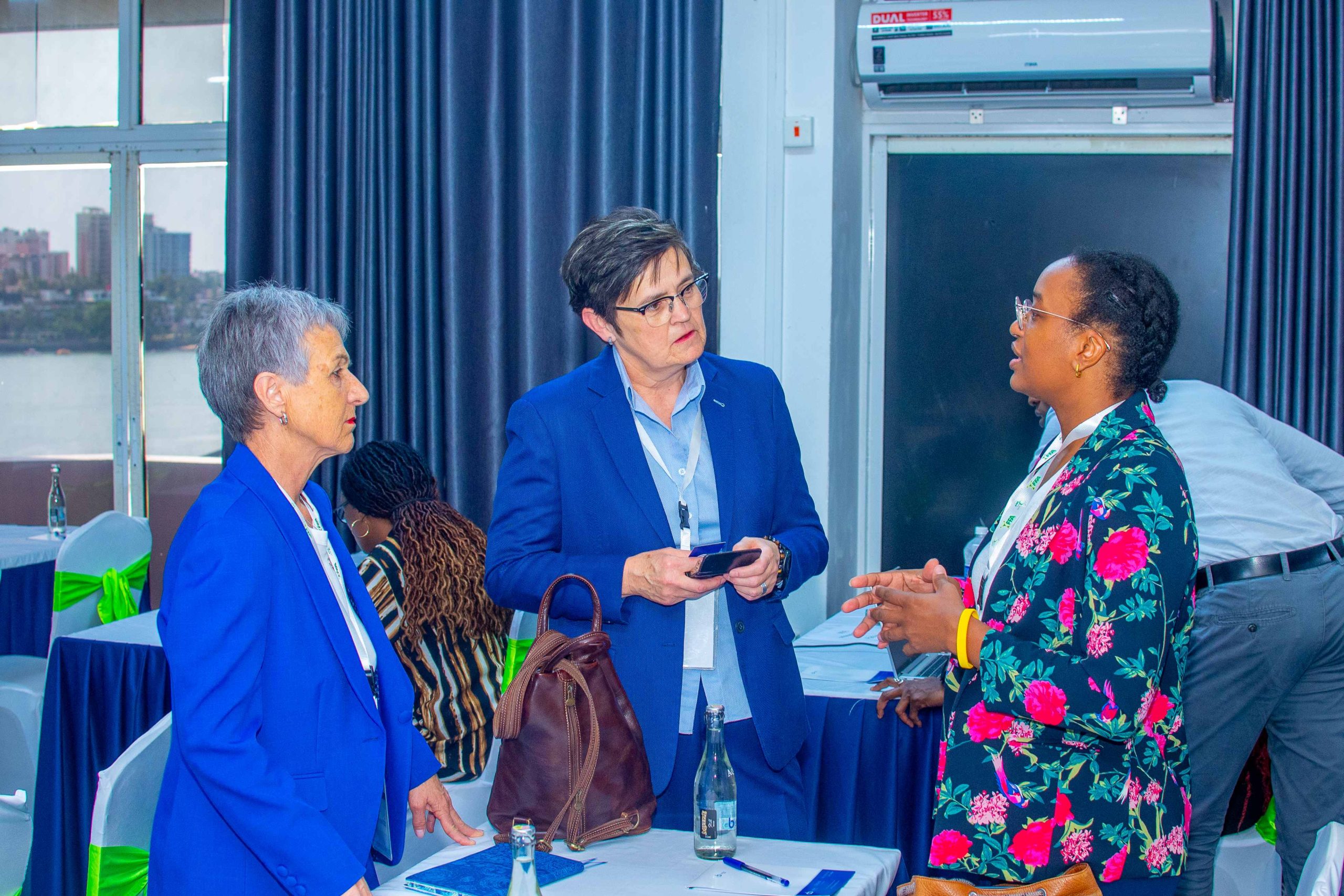
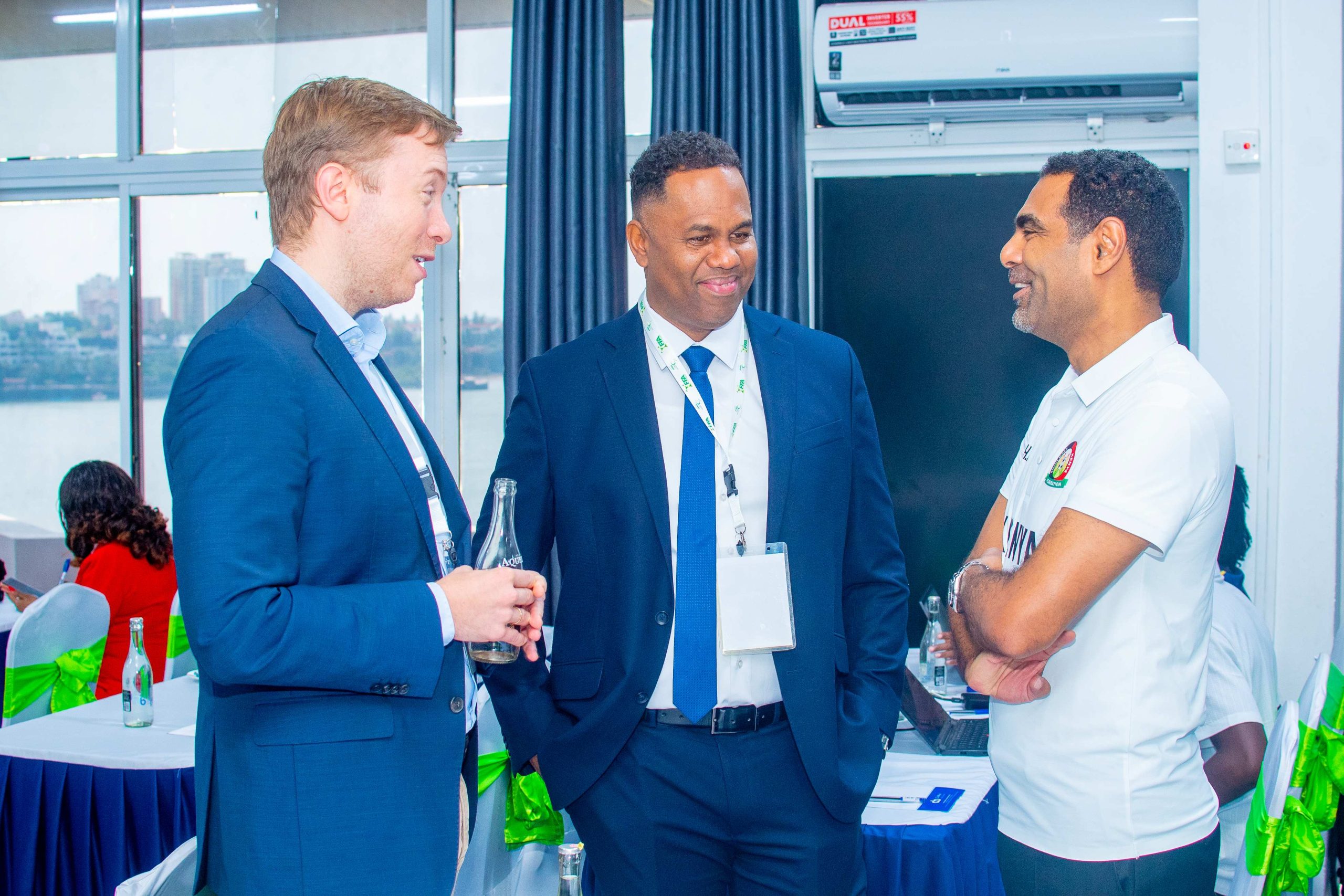
What struck me most at the Summit wasn’t just Minister Adams’ keynote, though it was remarkable to hear a government official articulate infrastructure thinking about football so clearly. It was the conversations in the margins—federation executives, club/academy owners, investors, enterprenuers, and government representatives all grappling with the same realisation:
The old models aren’t working. Appeals to sentiment don’t generate sustainable investment. Positioning football as entertainment creates an impossible level of competition with established commercial products. Even framing it as education or youth development often relegates it to CSR budgets rather than strategic infrastructure allocations.
But when you reframe football as infrastructure—as the anchor tenant in Africa’s development ecosystem—suddenly different conversations become possible:
- Education ministries see platforms for alternative pathways and improved retention
- Health agencies see community wellness delivery mechanisms
- Employment departments see skills development and job creation engines
- Technology companies see innovation as a testing ground
- Finance institutions see financial literacy delivery platforms
- Tourism boards see event attraction and destination marketing assets
Minister Adams captured this when he said: “From stadium naming rights and academy endowments to merchandise licensing and sports-tech ventures, the continent must diversify football revenue. Policy clarity, tax incentives, and infrastructure guarantees are key to reducing risk and attracting investors.”
This is infrastructure language. This is how governments think about ports, airports, and digital networks. And increasingly, this is how progressive African governments are beginning to think about football.
What Changed in Ten Years
In 2015, I was frustrated by a system that treated talented players as commodities to be exported. I argued for local development but couldn’t articulate why investors should care beyond appeals to responsibility or long-term thinking.
In 2025, after the Kenya Academy of Sports Career Fair honest conversation (“corporations don’t love sports and won’t give money out of pity”) and now the Africa Football Business Summit, the framework is clear:
Football isn’t seeking investment. Football is offering to be the infrastructure that makes other investments more successful.
This transforms everything:
- Government investment shifts from discretionary sports spending to strategic infrastructure allocation with measurable multiplier effects
- Private sector engagement moves from CSR charity to strategic partnership seeking business objective amplification
- Development organisations recognise football platforms as effective delivery mechanisms for existing program mandates
- Football organisations position themselves not as beneficiaries but as ecosystem enablers
The players I wrote about in 2015—Were, Omondi, Wanga—they weren’t failures. The system that treated them as export commodities rather than developing them within robust local infrastructure was the failure.
But here’s what I’ve learned since: those individual player stories were symptoms of continental-scale infrastructure deficit. You can’t solve player development challenges without addressing league sustainability, governance systems, facility quality, coaching education, data infrastructure, media capacity, and digital platforms.
It’s all connected. It’s all infrastructure.
From Barefoot Dreams to Strategic Reality
Minister Adams ended his keynote with a challenge:
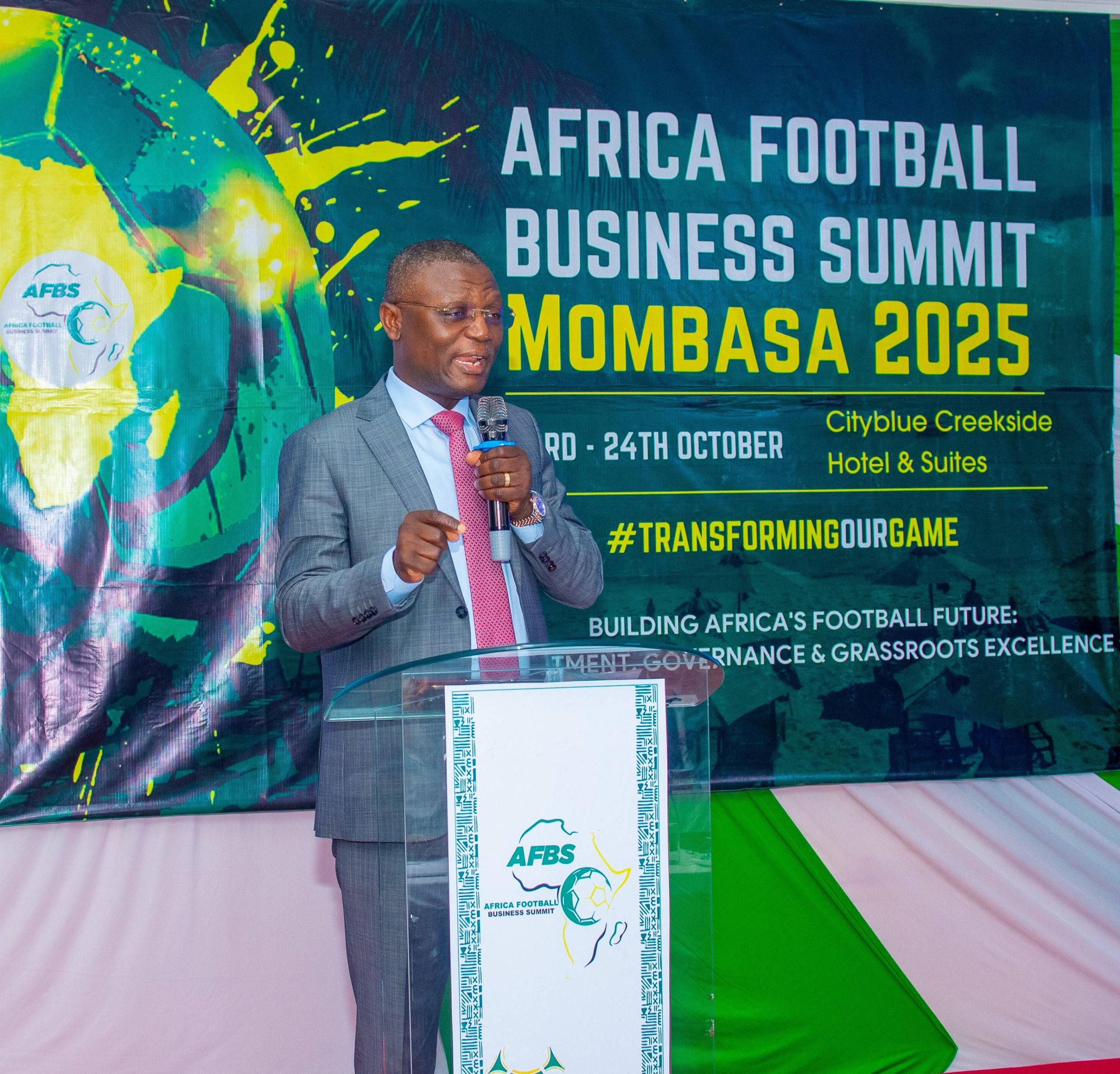
“Africa does not lack vision. We lack execution. Let this summit be remembered not for the panels and photos, but for the policies adopted, the partnerships signed, and the metrics tracked. Let us move from emotion to strategy. From exporting raw talent to exporting finished football products with value chains that are owned, monetised, and grown in Africa.”
Ten years after asking why we couldn’t develop football talent for local markets the way Kenya’s tech ecosystem developed professionals, I finally have the answer: We can, but only if we stop treating football as a product seeking buyers and start building it as the infrastructure it already functions as.
Those clay pitches aren’t poverty. They’re proof of concept.
The barefoot dreams aren’t naive. There’s a natural demand for infrastructure investment.
The challenge isn’t convincing Africa that football matters. It’s convincing Africa’s leaders that football is infrastructure—and that infrastructure thinking transforms everything from investment logic to outcome measurement to partnership models.
Ghana is showing what’s possible when the government embraces this framework. Other nations are watching. The Africa Football Business Summit created space for these conversations on a continental scale.
The question now isn’t whether Africa will build football infrastructure. It’s whether we’ll create it strategically, with the multiplier effects, cross-sector integration, and measurement systems that infrastructure investment deserves, or continue treating it as discretionary spending on entertainment and charity.
From clay pitches to continental policy frameworks, the path is clear.
Now we build.
 Back to Blog