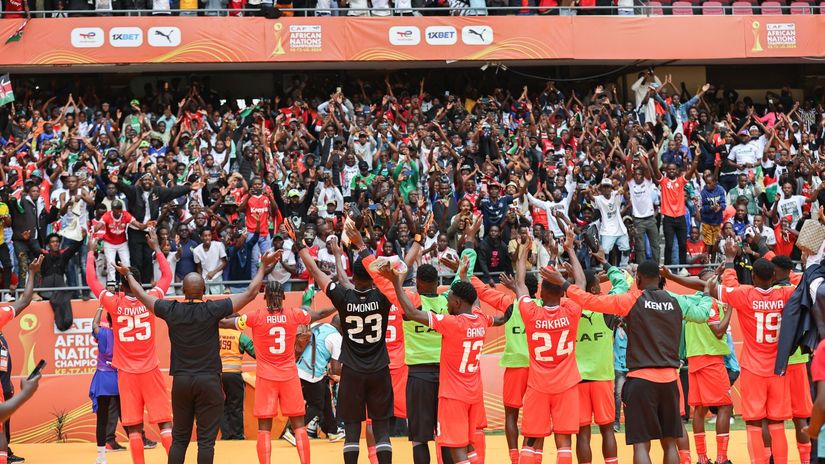
As CHAN 2025 hangovers begin to clear, the continent celebrates the remarkable talent emerging from Africa’s domestic leagues. The tournament was designed to highlight homegrown players and celebrate grassroots football—the actual heartbeat of African football culture. Yet, amid the excitement and pride, one question stands out: Where are the African brands?
Despite CHAN’s distinctly African identity, its commercial stage is dominated by foreign multinationals: TotalEnergies, a French multinational, remains the tournament’s headline partner; Puma, a global sportswear giant, outfits many teams; and 1XBet, a Russian-owned betting company often criticised for opaque operations, profits from African hopes and dreams. Meanwhile, Africa’s telecom giants, such as MTN and Safaricom, as well as major banks like Equity Bank and Standard Bank, and consumer brands like Bidco, MeTL and Dangote, are largely absent.
This absence is particularly striking when compared to other regions. For example, Brazil’s domestic leagues and national teams have thrived on partnerships with regional giants like Petrobras and Itaú Bank. Yet African tournaments struggle to attract similar continental and regional brands.
A Tournament Made for African Talent, But Not for African Brands
CHAN uniquely features only players active in their local leagues, providing an authentic connection to fans and communities. This platform should be a natural home for African companies to engage directly with their core markets. However, many African brands remain hesitant to invest.
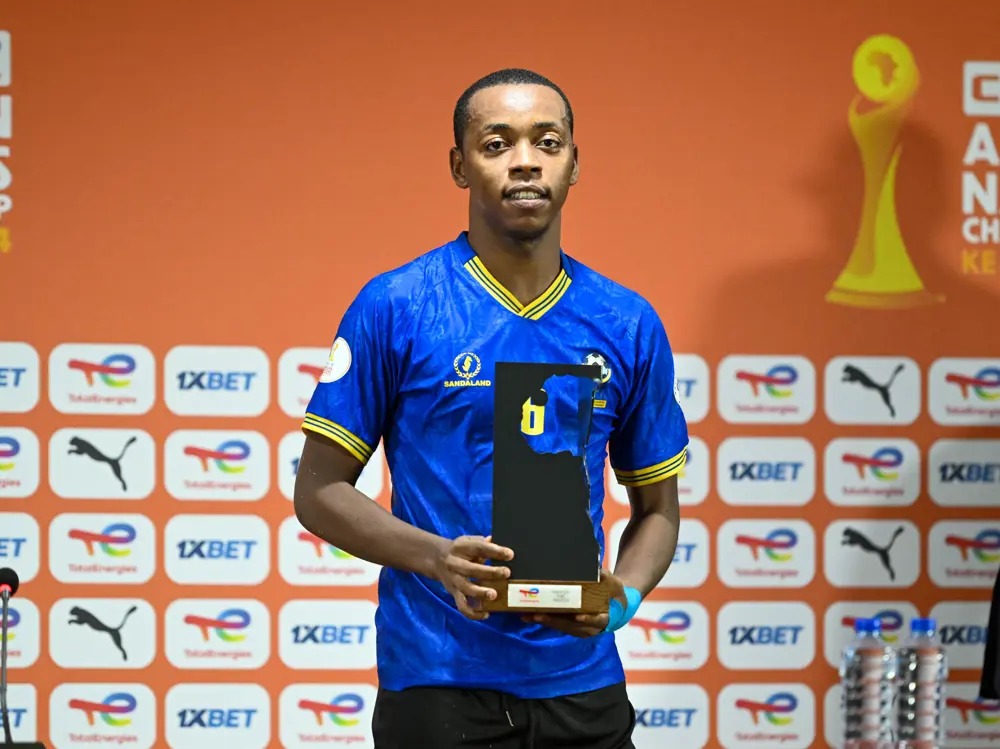
The reasons are telling. Many of these companies operate regionally rather than continent-wide, making pan-African sponsorship deals less accessible or relevant. A Kenyan telecom company or Nigerian bank may struggle to justify investment in a tournament broadcast across 54 countries when their business footprint covers only a handful of markets.
During a private sector engagement meeting organised just two weeks before CHAN 2025, itself indicative of planning challenges, several potential sponsors expressed frustration with the limited time to develop meaningful activation strategies. “We need months, not days, to create campaigns that resonate with our customers,” noted one executive.
The Confidence Gap: Why African Businesses Stay Away
Beyond logistics, a deeper issue emerges: trust. Many African companies perceive the commercial environment surrounding football as lacking the professionalism necessary to protect their investments. Without consistent audience data, transparent governance, and robust marketing frameworks, companies struggle to measure the returns on their sponsorships accurately.
Consider this: while European leagues publish detailed viewership analytics, match attendance and fan engagement metrics, African tournaments often lack such data. How can a CFO justify a million-dollar sponsorship without knowing whether it reaches the intended audience?
Additionally, many football federations and clubs lack strong commercial teams capable of crafting sponsorship packages that align with business objectives. The result? Generic proposals, often designed with frameworks from developed sports economies, fail to demonstrate value to potential partners.
The Economic Cost of Missing Partnerships
This disconnect carries real economic consequences. When Manchester City partnered with Etihad Airways, it generated an estimated $67 million annually while boosting the UAE’s global visibility. Similarly, Barcelona’s partnership with Rakuten generated $220 million over four years, while expanding the Japanese e-commerce platform’s European presence.
African football partnerships could yield similar dividends. Imagine if MTN (MoMo) or Safaricom (M-Pesa) had been CHAN’s title sponsor—the brand exposure across 18 participating nations could have supported customer acquisition strategies worth millions. Instead, those benefits flow to foreign companies with limited commitment to African market development.
Local brand participation creates multiplier effects: jobs in marketing agencies, content production, event management, and grassroots programs. These partnerships also foster cultural authenticity that resonates deeply with fans, building long-term brand loyalty that transcends the tournament itself.
Learning from Success Stories
Some African brands have found ways to succeed in sports partnerships. Vodacom’s sponsorship of South African rugby and cricket demonstrates how strategic alignment with the right properties can drive measurable business results.
A particularly compelling example emerged from CHAN 2025 itself. Kenya Broadcasting Corporation’s “CHANIkoKBC” campaign—a simple yet strategic effort to drive viewership to their CHAN coverage—yielded remarkable results: over 2 million livestreams, more than 30 million engagements, 492 million impressions, and over 300,000 new followers across their social media channels.

This success story illustrates the untapped potential within African football broadcasting. KBC’s campaign cost a fraction of what international brands typically spend on football partnerships, yet generated massive audience engagement and brand growth. Imagine if similar strategic thinking were applied by major African telecoms, banks, or consumer brands, which have significantly larger marketing budgets and more sophisticated activation capabilities.
The key? These successful partnerships feature clear objectives, measurable outcomes, and multi-year commitments that allow for proper activation and audience development.
The Africa Football Business Summit: Where Solutions Take Shape
These challenges are precisely why we’re convening the Africa Football Business Summit 2025 under the banner: “Building Africa’s Football Future: Investment, Governance, and Grassroots Excellence.”
This isn’t just another conference. We’re creating a working forum where African telecom executives, bank CEOs, consumer brand leaders, and football administrators can collaborate on practical solutions. Our sessions will focus on developing Africa-specific sponsorship models, sharing successful case studies, and building the professional networks that drive long-term partnerships.
We’re specifically seeking participation from:
- Telecoms and Financial Services: Companies with regional footprints looking to expand through strategic sports partnerships
- Consumer Brands: Businesses seeking authentic connections with African audiences
- Investment Leaders: Organisations interested in the emerging sports economy
- Football Administrators: Officials committed to professional commercial development
In partnership with the Kenya Private Sector Alliance (KEPSA), we’re ensuring these conversations translate into actionable strategies that align football development with private sector innovation.

From Spectators to Stakeholders: The Path Forward
African football represents a powerful source of pride and identity, but its economic potential remains untapped, mainly by African businesses. The talent and passion are unmistakable—what’s missing is strategic alignment between football properties and business objectives.
The question isn’t whether African brands should engage with football, but how to do it strategically. With proper planning, transparent governance, and professional execution, African football can become a driver of economic empowerment across the continent.
The invitation is clear: African business leaders must move from the sidelines to centre stage—not just as sponsors, but as genuine stakeholders who help build sustainable, locally-rooted football economies. The Africa Football Business Summit provides the platform where these partnerships begin. Because the future of African football isn’t just about what happens on the pitch—it’s about who owns, funds, and shapes the game from within.
 Back to Blog