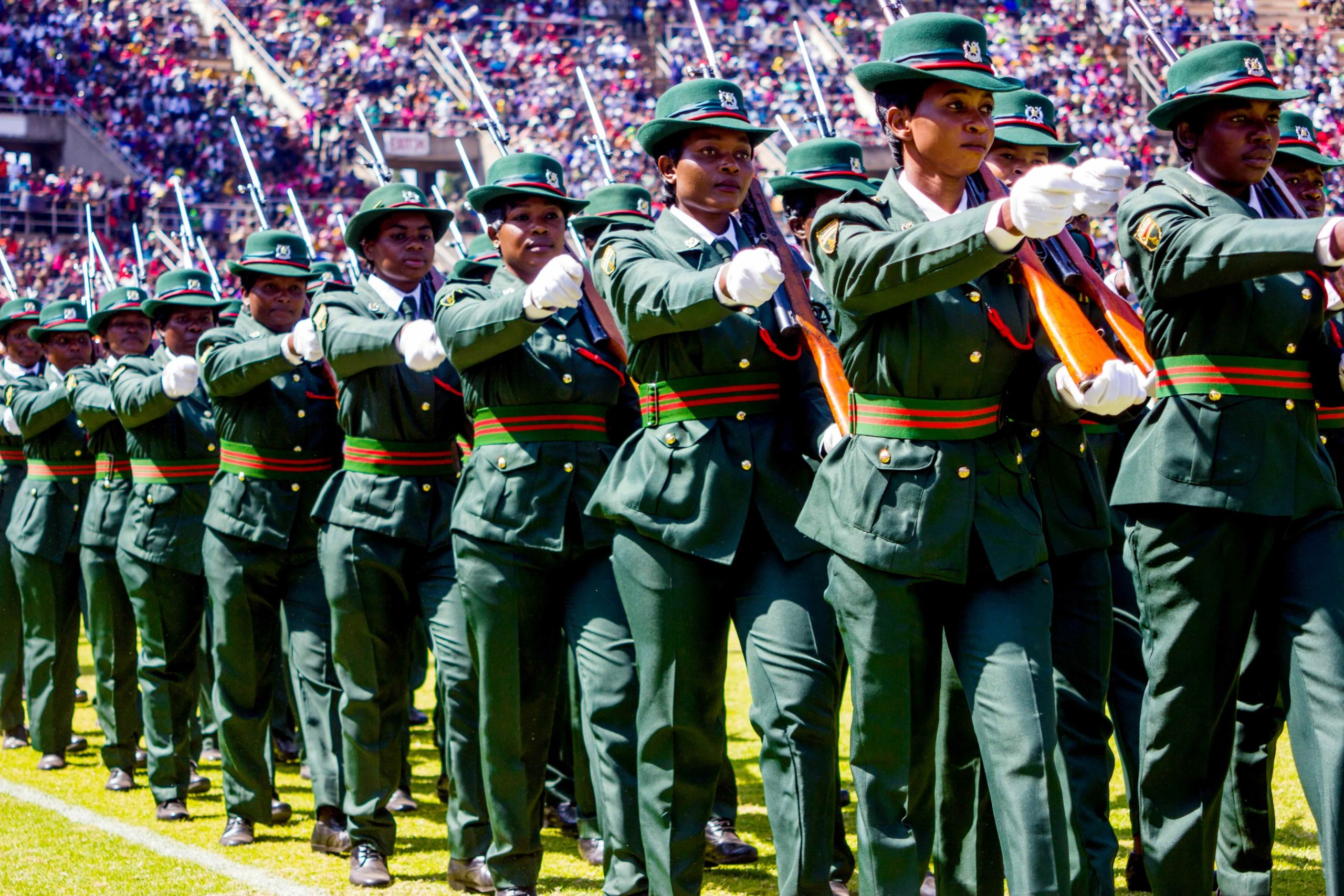
A modest reallocation from military budgets could transform continental security through preventive infrastructure
Africa’s military expenditure reached $39.4 billion in 2022—a 16% increase from 2011, reflecting growing security concerns across the continent. Yet despite this substantial investment in traditional security measures, instability persists in many regions. What if a small fraction of this spending—just 2%, or $788 million annually—could deliver more effective and sustainable security outcomes?
The answer lies not in more weapons or military hardware, but in football infrastructure.
This isn’t about choosing sports over security. It’s about recognizing that the most effective security investment is often preventive infrastructure that addresses root causes of instability before they manifest as threats requiring military response.
The Infrastructure Logic of Security
We readily accept that governments should invest in roads, energy grids, and telecommunications as foundational infrastructure enabling economic development. The same logic applies to football infrastructure. Quality football systems create pathways for youth engagement, economic opportunity, and social cohesion that prevent the conditions extremist groups exploit for recruitment.
Consider the math: $788 million could fund comprehensive football infrastructure across multiple African countries, creating thousands of direct jobs, generating economic opportunities for youth, and establishing community platforms that strengthen social cohesion. The multiplier effects extend far beyond sports, touching education, health, employment, and governance sectors.
Football as Africa’s Security Anchor Tenant
Football functions as Africa’s “anchor tenant” in youth engagement—attracting more participation and attention than any other platform. Like anchor stores in shopping centers that draw foot traffic benefiting all surrounding businesses, strategic investment in football infrastructure creates platforms that enable multiple development objectives simultaneously.
The evidence is compelling. Football programs consistently demonstrate success in youth diversion from criminal activity, community dialogue facilitation, and cross-cultural bridge building. In contexts from Colombia to Northern Ireland, sports infrastructure has proven more effective at building lasting peace than purely military approaches.
From Charity to Strategy
The traditional approach treats sports investment as charitable giving—something nice to do if resources allow. This framework has failed to generate the scale of investment needed. Reframing football as security infrastructure transforms the conversation entirely.
Governments don’t build roads to help construction companies; they build roads to facilitate economic activity. Similarly, investing in football infrastructure isn’t about helping sports organizations—it’s about creating platforms that enable broader security and development outcomes.
This shift from charity to strategic infrastructure investment unlocks sustainable funding models. When governments establish foundational football infrastructure, private sector engagement transforms from reluctant CSR contributions to strategic partnerships. Companies invest because quality infrastructure amplifies their business objectives across multiple sectors.
Continental Security Through Local Engagement
Africa’s security challenges often stem from youth unemployment, social fragmentation, and lack of positive engagement opportunities. Military responses address symptoms after problems have developed into threats. Football infrastructure addresses root causes before they require military intervention.
The $788 million could establish:
- Comprehensive youth development programs in high-risk communities
- Employment creation across coaching, facility management, and support services
- Community platforms bringing together diverse groups around shared passion
- Alternative education and skills development pathways
- International connectivity through competitions and exchanges that strengthen diplomatic relationships
Implementation Without Ideology
This isn’t about reducing military spending to dangerous levels. It’s about strategic reallocation that improves overall security outcomes. Most military budgets could accommodate a 2% reallocation without compromising operational capability, especially if that reallocation demonstrably reduces future security threats.
The implementation framework exists. Football infrastructure aligns perfectly with African Union Agenda 2063 objectives (“Silencing the Guns”) and multiple Sustainable Development Goals. Countries could integrate football infrastructure into existing national development plans, access international development finance, and establish public-private partnerships using proven models.
Beyond False Choices
Critics might argue that security threats require immediate military responses, not long-term development infrastructure. This presents a false choice. Effective security strategy requires both immediate response capability and preventive infrastructure development. The question isn’t whether to maintain military capacity, but whether current spending ratios optimize security outcomes.
$788 million in football infrastructure doesn’t replace military spending—it complements it by addressing conditions that create security threats in the first place. Prevention is invariably more cost-effective than reaction, and football infrastructure represents scalable prevention at continental scope.
The Strategic Opportunity
Africa stands at a strategic inflection point. Traditional security approaches have proven inadequate for addressing complex, multi-faceted challenges requiring community-level solutions. Football infrastructure offers a platform for delivering those solutions at scale while building positive national identity and continental integration.
The opportunity extends beyond security to encompass economic development, social cohesion, and international positioning. Countries that pioneer football infrastructure development will demonstrate innovative approaches to 21st-century security challenges while creating foundations for broader development success.
Time for Strategic Vision
The conversation about security investment in Africa needs fundamental reframing. Security isn’t just about military capability—it’s about creating conditions where communities thrive, youth have opportunities, and social bonds remain strong. Football infrastructure contributes to all these outcomes while offering measurable returns on investment.
$788 million represents less than 2% of current military spending. For African governments willing to think strategically about security investment, this modest reallocation could deliver transformative results that pure military spending cannot achieve.
The framework exists. The evidence is compelling. The opportunity is significant. The question now is whether Africa’s leaders have the vision to treat football infrastructure as the security investment it has always had the potential to become.
The path to continental security doesn’t run only through barracks and bases. Sometimes it runs through football pitches and community centers—if we’re strategic enough to build them.
 Back to Blog